Acid Reflux & GERD: Causes, Symptoms, and Modern Treatments
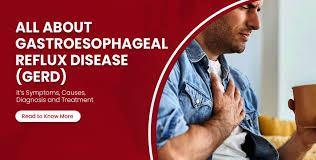
Acid reflux is a common digestive condition that affects millions of people worldwide. When acid reflux becomes frequent and persistent, it may develop into Gastroesophageal Reflux Disease (GERD). Understanding its causes, symptoms, and treatment options can help manage the condition effectively and improve quality of life.
What Is Acid Reflux?
Acid reflux occurs when stomach acid flows backward into the esophagus, the tube connecting the mouth to the stomach. This backflow irritates the esophageal lining and causes discomfort, commonly known as heartburn.
GERD is a chronic and more severe form of acid reflux that requires medical attention and long-term management.
Causes of Acid Reflux and GERD
Several factors can weaken the lower esophageal sphincter (LES), the muscle that prevents acid from rising upward:
- Overeating or eating large meals
- Consumption of spicy, fried, or fatty foods
- Excess caffeine, carbonated drinks, and chocolate
- Obesity and abdominal pressure
- Smoking and alcohol consumption
- Lying down immediately after meals
- Stress and poor sleep habits
Certain medications and medical conditions may also contribute to GERD.
Common Symptoms
Symptoms can vary in intensity and frequency, including:
- Burning sensation in the chest (heartburn)
- Sour or bitter taste in the mouth
- Regurgitation of food or liquid
- Difficulty swallowing
- Chronic cough or throat irritation
- Bloating and nausea
If symptoms occur more than twice a week, it may indicate GERD.
Modern Treatment Options
Treatment depends on the severity of the condition and the individual’s response to therapy.
1. Lifestyle Modifications
Doctors often recommend lifestyle changes as the first line of treatment:
- Eating smaller, more frequent meals
- Avoiding trigger foods
- Maintaining a healthy weight
- Elevating the head while sleeping
2. Medications
Modern medications help reduce acid production and relieve symptoms:
- Antacids for quick relief
- H2 receptor blockers
- Proton pump inhibitors (PPIs)
These are usually prescribed for short-term or controlled use under medical supervision.
3. Advanced Medical Procedures
In severe cases where medications are ineffective, minimally invasive procedures or surgery may be recommended to strengthen the LES and prevent acid reflux.
Preventing Acid Reflux and GERD
Simple preventive measures include:
- Avoid eating late at night
- Limit caffeine and sugary drinks
- Quit smoking
- Practice stress management techniques
- Follow a balanced diet rich in fiber
Conclusion
Acid reflux and GERD are manageable conditions when diagnosed early and treated properly. With the right combination of lifestyle changes and modern medical treatments, most people can effectively control symptoms and prevent complications. Consulting a healthcare professional is essential for long-term relief and digestive health.