How Fatty Liver Develops and How to Reverse It Naturally
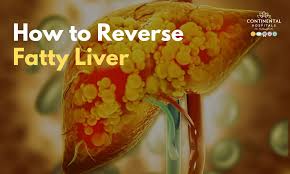
Fatty liver disease is becoming increasingly common due to modern lifestyles, unhealthy eating habits, and lack of physical activity. It occurs when excess fat builds up in the liver, affecting its normal function. If detected early, fatty liver can often be reversed naturally through simple lifestyle changes.
How Does Fatty Liver Develop?
Fatty liver develops when the liver starts storing more fat than it can process. Some common causes include:
- Unhealthy diet: High intake of junk food, sugary drinks, refined carbohydrates, and fried foods
- Sedentary lifestyle: Lack of regular physical activity
- Excess body weight: Especially fat around the abdomen
- Insulin resistance: Often linked with diabetes or prediabetes
- Alcohol consumption: In some cases, alcohol can directly damage liver cells
Over time, this fat accumulation can lead to inflammation and more serious liver conditions if left untreated.
Common Symptoms of Fatty Liver
In the early stages, fatty liver may not show noticeable symptoms. However, some people may experience:
- Constant fatigue
- Abdominal discomfort (especially on the right side)
- Unexplained weight gain
- Weakness or low energy
Because symptoms can be mild, fatty liver is often detected during routine medical tests.
How to Reverse Fatty Liver Naturally
The good news is that fatty liver can often be reversed naturally with consistent lifestyle changes:
1. Improve Your Diet
Focus on whole, nutrient-rich foods such as fruits, vegetables, whole grains, nuts, seeds, and lean proteins. Reduce intake of sugar, processed foods, and refined carbohydrates.
2. Maintain a Healthy Weight
Gradual and sustainable weight loss helps reduce fat accumulation in the liver. Avoid crash diets, as they can worsen liver health.
3. Stay Physically Active
Regular exercise like walking, yoga, cycling, or light strength training helps improve liver function and reduce fat storage.
4. Stay Hydrated
Drinking enough water supports digestion and helps the liver flush out toxins effectively.
5. Manage Stress and Sleep
Poor sleep and high stress can affect metabolism. Aim for proper sleep and stress-relieving activities such as meditation or breathing exercises.
When to Seek Medical Advice
While lifestyle changes are effective, it’s important to consult a healthcare professional for proper diagnosis and monitoring, especially if symptoms persist or worsen.
Conclusion
Fatty liver disease is largely preventable and reversible when addressed early. By adopting a balanced diet, staying active, and maintaining a healthy lifestyle, you can support liver health naturally and reduce the risk of future complications. Small, consistent changes can make a big difference.