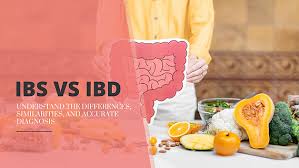
IBS vs IBD: Difference, Symptoms & Treatment Options
Digestive problems are common, but two conditions that are often confused are IBS (Irritable Bowel Syndrome) and IBD (Inflammatory Bowel Disease). Although they may sound similar and share some symptoms, they are very different in causes, severity, and treatment. Understanding the difference is important for proper care and management.
What is IBS (Irritable Bowel Syndrome)?
IBS is a functional digestive disorder, meaning there is no visible damage or inflammation in the intestines. It mainly affects how the gut works rather than its structure.
Common Symptoms of IBS
- Abdominal pain or cramps
- Bloating and gas
- Diarrhea, constipation, or both
- Mucus in stool
- Symptoms often worsen with stress or certain foods
IBS does not damage the intestines and does not increase the risk of serious diseases like cancer.
What is IBD (Inflammatory Bowel Disease)?
IBD is a chronic inflammatory condition that causes actual damage to the digestive tract. The two main types of IBD are:
- Crohn’s Disease
- Ulcerative Colitis
Common Symptoms of IBD
- Persistent diarrhea
- Blood in stool
- Severe abdominal pain
- Weight loss
- Fatigue
- Fever
Unlike IBS, IBD can lead to serious complications if not treated properly.
Key Differences Between IBS and IBD
| Feature | IBS | IBD |
| Type | Functional disorder | Inflammatory disease |
| Intestinal damage | No | Yes |
| Inflammation | No | Yes |
| Blood in stool | Rare | Common |
| Risk of complications | Low | High if untreated |
| Diagnosis | Based on symptoms | Blood tests, scans, colonoscopy |
Causes: IBS vs IBD
Causes of IBS
- Stress and anxiety
- Food sensitivities
- Irregular gut movement
- Hormonal changes
Causes of IBD
- Immune system dysfunction
- Genetic factors
- Environmental triggers
- Gut bacteria imbalance
Diagnosis
- IBS is diagnosed mainly by symptoms and ruling out other conditions.
- IBD requires medical tests such as blood tests, stool tests, imaging, and colonoscopy to confirm inflammation.
Treatment Options
IBS Treatment
IBS treatment focuses on symptom management:
- Diet changes (low FODMAP diet)
- Stress management
- Fiber supplements
- Medicines for constipation or diarrhea
- Probiotics
IBD Treatment
IBD requires medical treatment to control inflammation:
- Anti-inflammatory drugs
- Immune-suppressing medicines
- Biologic therapies
- Surgery (in severe cases)
IBD patients need regular medical monitoring.
Diet and Lifestyle Tips
For IBS
- Avoid trigger foods
- Eat smaller, regular meals
- Manage stress
- Stay hydrated
For IBD
- Follow doctor-recommended diet
- Avoid flare-trigger foods
- Maintain proper nutrition
- Take medications regularly
When to See a Doctor
You should consult a healthcare professional if you experience:
- Blood in stool
- Unexplained weight loss
- Persistent abdominal pain
- Long-lasting diarrhea
Early diagnosis helps prevent complications, especially in IBD.
Conclusion
While IBS and IBD share similar symptoms, they are completely different conditions. IBS affects gut function and is manageable with lifestyle changes, whereas IBD involves inflammation and requires medical treatment. Knowing the difference helps in choosing the right care and improving quality of life.
Disclaimer: This article is for informational purposes only and should not replace professional medical advice. Always consult a qualified doctor for diagnosis and treatment.